
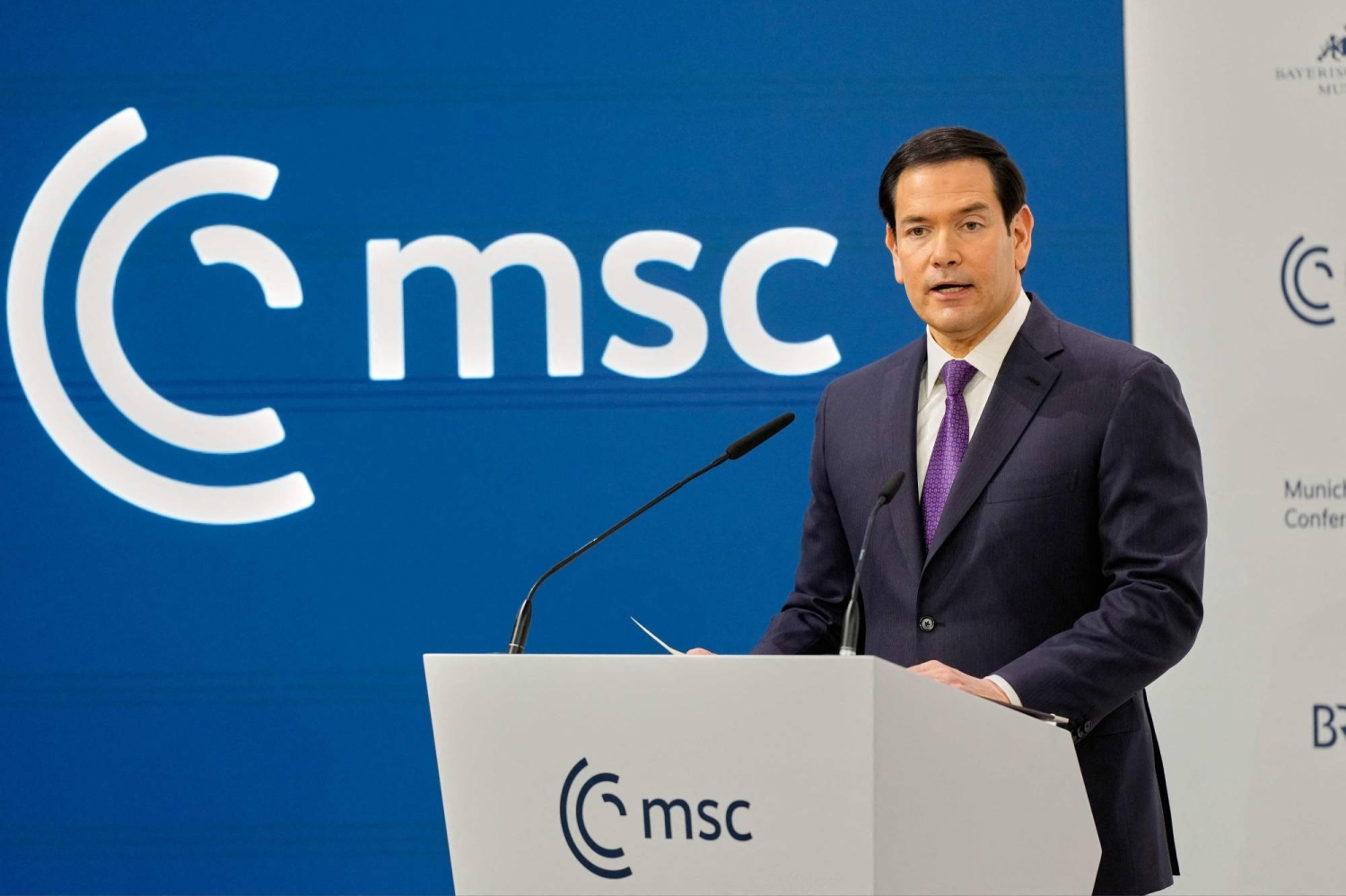
Secretary of State Marco Rubio struck a more conciliatory tone toward European countries, yet the central issue—the widening rift between the United States and its NATO allies—still looms large, according to Bronwen Maddox..
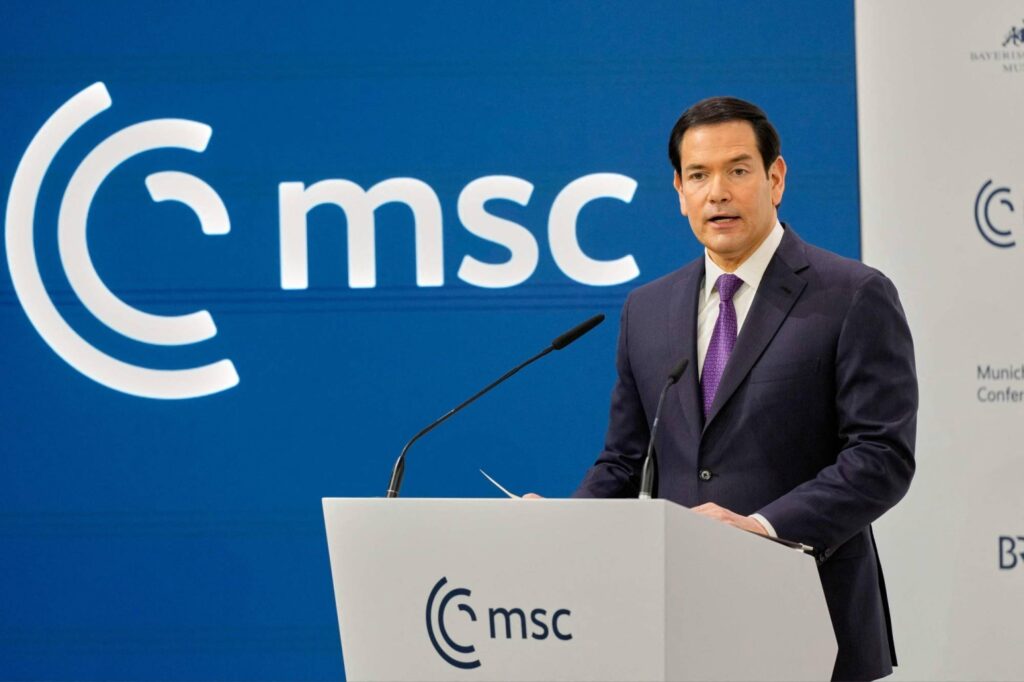
At the Munich Security Conference (MSC), U.S. Secretary of State Marco Rubio delivered a speech that sought to balance reassurance with realism, acknowledging the strains in transatlantic relations while underscoring the enduring strategic necessity of Western unity. His remarks came at a time when geopolitical competition, security burden-sharing, and diverging political priorities have tested cohesion within the NATO alliance.
Rubio adopted a notably conciliatory tone toward European partners, emphasizing that the United States continues to view NATO as the cornerstone of collective defense. He reiterated Washington’s commitment to Article 5 and to sustaining coordinated responses to shared threats, particularly Russia’s aggression in Ukraine and the broader challenge posed by strategic competitors such as China. However, the speech did not shy away from addressing longstanding concerns in Washington regarding equitable defense spending and the need for Europe to assume a more substantial share of security responsibilities.
A central theme of Rubio’s address was the concept of “strategic convergence.” He argued that while tactical disagreements between the United States and European allies are inevitable, the underlying alignment of values—democracy, rule of law, and open markets—remains intact. In this framing, current tensions are not indicative of a systemic fracture but rather of a transitional phase in which the alliance is adjusting to a multipolar security environment.
On Ukraine, Rubio stressed the importance of sustained Western support, warning that any weakening of resolve could embolden adversaries and undermine the credibility of collective deterrence. He called for deeper coordination on military assistance, economic resilience, and reconstruction planning, positioning these efforts as critical to maintaining stability on Europe’s eastern flank.