
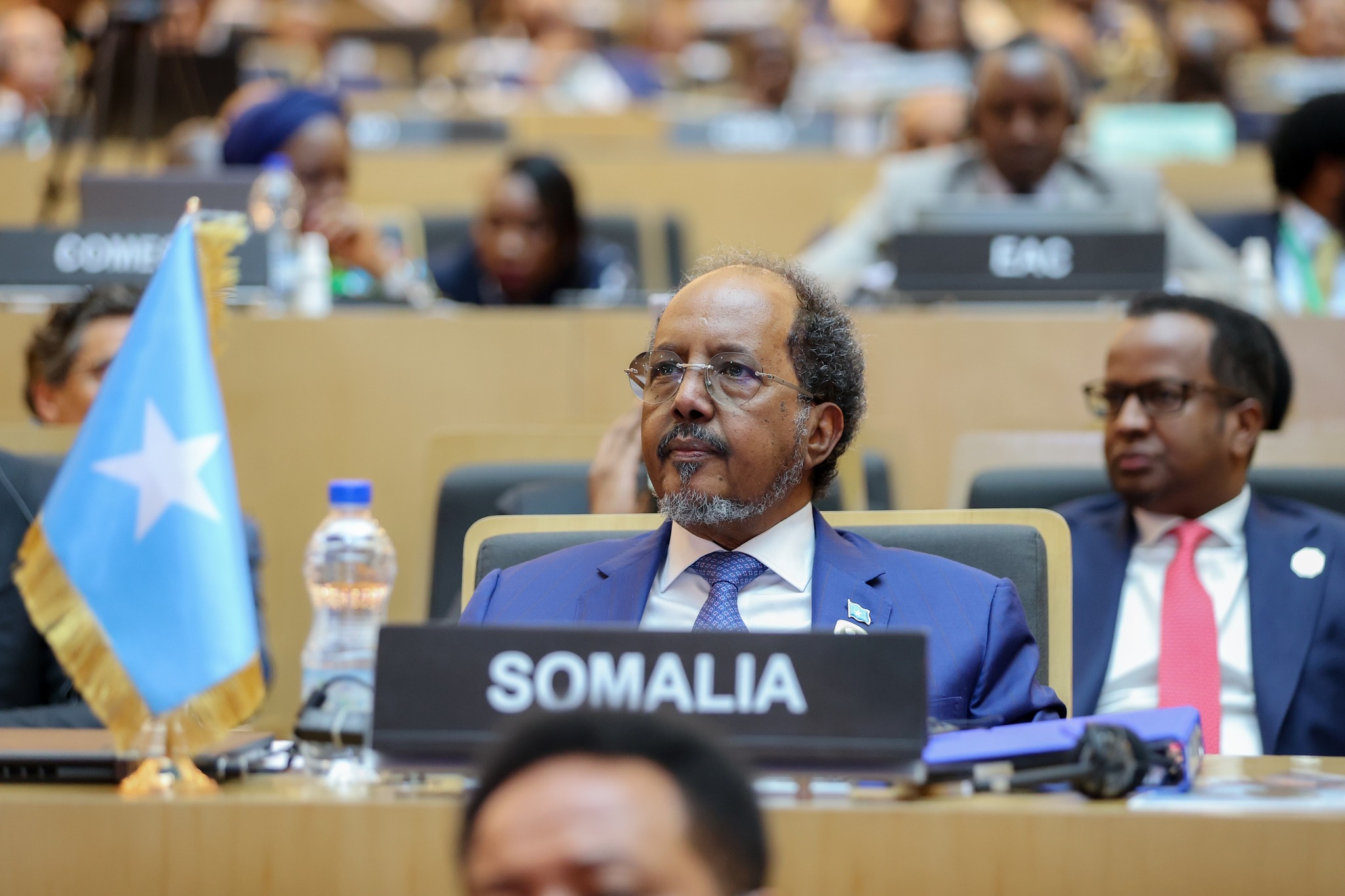
In politics, one of the most unforgiving tests of leadership is when a leader’s past statements are set against their present decisions. In recent days, speeches delivered by President Hassan Sheikh during his time in opposition—where he cautioned against concentration of power, term extensions, constitutional breaches, and elections lacking broad agreement—have resurfaced in public discourse. These statements speak for themselves; they serve as a clear record and a mirror through which the current course of leadership can be assessed.
When earlier commitments appear inconsistent with current actions, the issue transcends policy debate and becomes a question of political integrity and ethical responsibility. For a country emerging from years of internal conflict, where trust remains delicate and institutions are still consolidating, the most valuable asset is dependable leadership—leadership whose actions reflect its words. Such consistency is essential for sustaining legitimacy and long-term stability.
Another notable concern is the cautious posture of some of the President’s close political allies. Rather than offering confident and convincing defense of the current political direction, many appear reserved, quietly signaling apprehension about the path the country may be taking. A seasoned leader recognizes such signals and responds with reflection, recalibration, and timely adjustment. Ignoring them risks compounding uncertainty.
Furthermore, much of the public defense of the administration seems to be led by figures with limited political influence, whose arguments lack depth, balance, and broad appeal. Their interventions often appear motivated more by proximity to power than by a principled national vision. Such weak advocacy does little to strengthen authority; instead, it risks undermining the credibility of the leadership and widening the gap with public confidence.
Nevertheless, opportunities for corrective action still exist. There remains room to reach a national understanding on the electoral timetable and framework—one that is not perceived as dominated by any single actor, but rather grounded in inclusive consultation and consensus. Somalia has previously navigated complex transitions through courageous and negotiated political settlements, particularly during the 2016 process, which demonstrated that compromise in the national interest is a mark of strong leadership.
If the presidential term ends without a broadly accepted political agreement, the implications are foreseeable. Continued financial assistance, diplomatic engagement, and security cooperation will increasingly depend on the presence of a legitimate, consensual electoral arrangement. Alliances built primarily on personal interests may weaken, negotiations could become reactive rather than strategic, and sustained pressure may ultimately compel significant concessions, including the possibility that stewardship of the electoral process shifts beyond the incumbent administration.
The present moment mirrors earlier turning points in Somalia’s political trajectory. Experience shows that failing to secure an agreed electoral process before the end of a term can lead to a loss of political initiative. Repeating past approaches while expecting different results would be a costly misjudgment. Political rigidity and overconfidence may obscure emerging realities, leading to decisions that appear assertive in the short term but prove unsustainable over time.
Even so, meaningful options remain available. A deliberate pause, genuine national dialogue, and realignment between stated principles and practical actions could restore confidence both domestically and internationally. A stable transition will depend not on tactical maneuvering, but on forging an inclusive and credible agreement on elections—one that reflects constitutional norms, security considerations, and the collective will of Somalia’s political stakeholders. History tends to favor leaders who heed early warnings and choose consensus and stability over short-term advantage.